Where psychology
meets
movie popcorn!
Ego development theory sounds heavy… until you realize every movie, TV show, and viral clip is secretly demonstrating it. Let’s see the stages come alive on screen!
1st Person Perspective
The Impulsive & Egocentric Stages
Infancy to age 4 or 5.
There are 3 main developmental lessons at this stage. We need them for our whole life, not just when we’re little kids:
1. I am a “self” that matters! My body, my needs, my experience matters! This is the source of our vitality, aliveness, and power.
2. I feel safe and can trust this experience of being a human in the world. This is our strong connection to our instincts.
3. Imagination and magical thinking. This allows us to see something more, to connect inner experience to the outer world.
-
![]()
There Will Be Blood - "I drink your milkshake!"
Daniel Day-Lewis’s character finishes the movie in full Impulsive regression. He has physically chased, humiliated, and murdered his rival in a bowling alley, then taunts the corpse with the milkshake metaphor. Other humans have become objects; only power and dominance remain.
-
![]()
Scarface - “Say hello to my little friend.”
The entire last 20 minutes, but especially “Say hello to my little friend!” Tony is high, cornered, and has regressed completely into “mine / kill / now.” Other people are either extensions of his power or obstacles to be destroyed. There is zero future orientation—he would rather die in a blaze than surrender one inch of his empire.
-
![]()
Fight Club - Chemical burn scene
Tyler is Stage 1 weaponised as ideology: reject all rules, feel everything immediately, burn it all down, consequences are for weaklings. The moment he burns the narrator’s hand with lye (“It’s only after we’ve lost everything…”) is a perfect toddler lesson in power and surrender.
-
![]()
Rainman - “Underwear is underwear!”
When Raymond refuses to get on the plane or freaks out because his syrup isn’t on the table before the pancakes, the world ends in that moment. Logic, social norms, and other people’s needs simply do not compute. (Though Raymond is autistic, not egocentric in the personality-disorder sense, so the portrayal is more tragic than villainous.)
-
![]()
Amélie - Goldfish attempts suicide.
Young Amélie’s childhood sequences are perfect 1st PP: she imagines her goldfish committing suicide because it’s lonely, believes her heart beats so loudly the neighbors can hear it, and creates elaborate fantasy worlds out of boredom. Adult Amélie still dips into this—spooning crème brûlée and imagining the whole café freezes in time, or skipping stones while narrating strangers’ lives in magical-realist detail.
-
![]()
Inside Out - Bing bong imaginary rocket.
Bing Bong sincerely believes that singing loudly makes the wagon go faster (“Who’s your friend who likes to play? Bing Bong Bing Bong!”). When Joy and Sadness have to cry to escape the memory dump, the solution is pure toddler logic—feel big feelings, problem solved.
-
![]()
Little girl loves eating her block of cheese.
Perhaps the internet’s cutest toddler who just wants to eat her block of cheese. Notice how she closes her eyes and then takes a nibble from her cheese, thinking mom won’t see her.
-
![]()
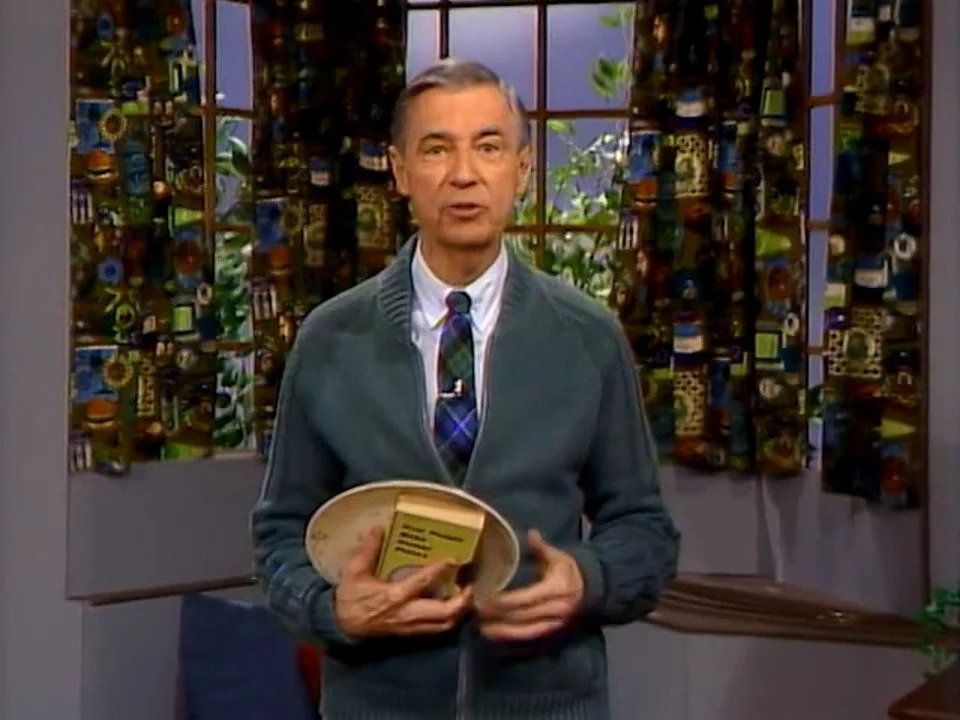
Mr. Roger’s Neighborhood - A trip to the crayon factory.
Mr. Rogers gently narrates, but the child viewer is invited into a pre-operational world where machines have feelings and everything happens because it’s supposed to. Everything is designed to help the child understand the concrete, mundane world.







2nd Person Perspective
The Conformist & Rule-Oriented Stages
Age ~5 through ~20 (or for some 30, 50, 70+ years old)
For the first time, we start to see that other people matter too! This allows us to create social bonds (think: middle & high-school cliques), to cooperate and compete, to have rules and expectations and begin to hold one another accountable. We need this level to know how to follow a routine, to create order in our lives and in the world. Without 2nd PP, empathy couldn’t exist.
-
![]()
Mean Girls - Meeting the Plastics
This cafeteria scene is pure 2nd Person Perspective mythology: the Plastics’ table is the sacred center of the universe, Regina George the goddess-queen who hands down divine law (“On Wednesdays we wear pink”). Being invited to sit there is salvation; exclusion is damnation. Everything is hierarchical, binary, and absolute, because at this stage identity only comes from belonging to the one true tribe, and Regina decides who’s chosen and who’s cast out.
-
![]()
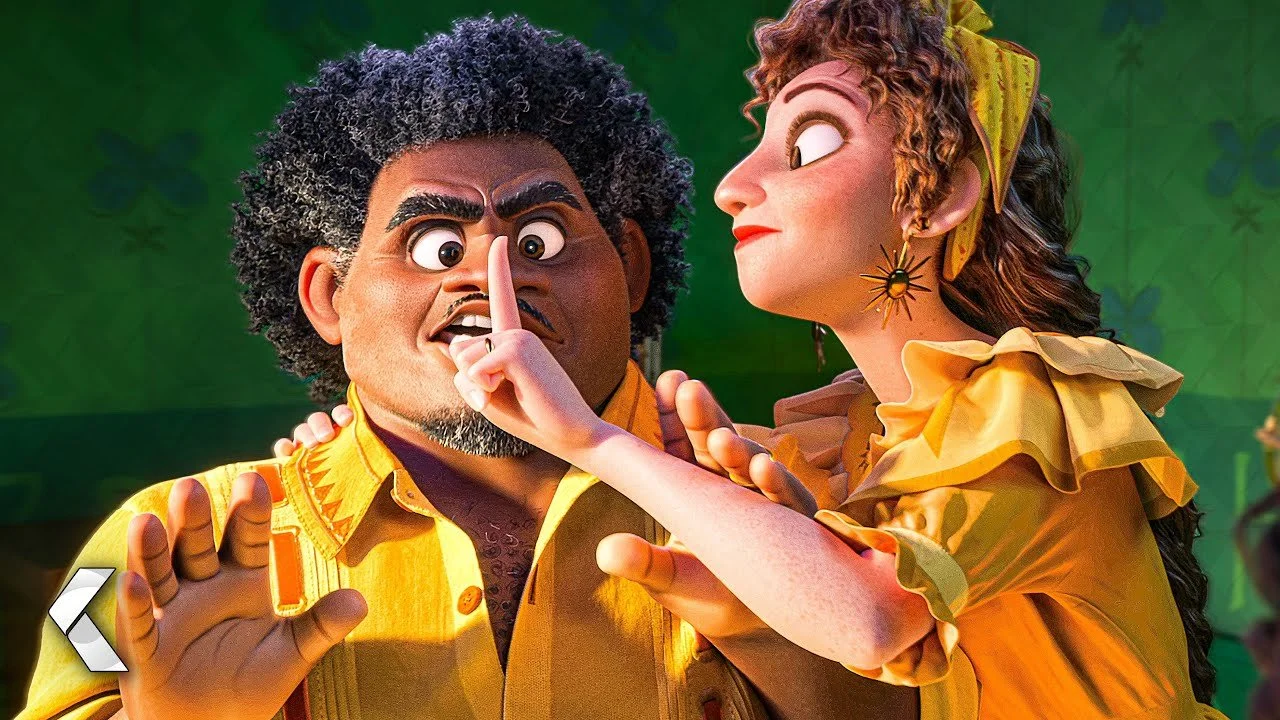
Encanto - We don’t talk about Bruno.
Everyone’s identity is their gifted role; the worst punishment is “not being useful to the family.” The song “We Don’t Talk About Bruno” is literally enforced group silence to preserve harmony.
-
![]()
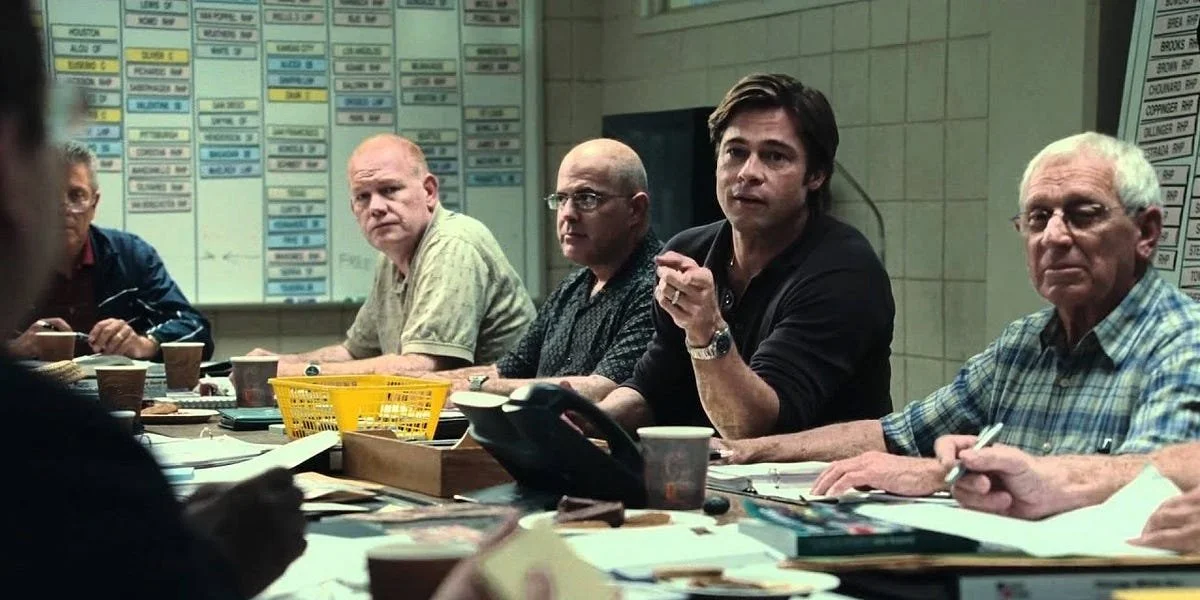
Moneyball - ”What’s the problem?”
Billy (Brad Pitt) sees the problem their team is facing from a late 3rd person perspective, and the men around the table are stuck in 2nd. Billy is tracking context they're all blind to, and they're continuing to do things the way they've always been done.
-
![]()
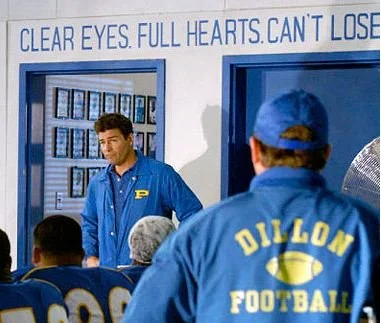
Friday Night Lights - ”Clear eyes, full hearts, can’t lose.”
In the locker-room scene after relegation, the players' devastated silence stems not from personal failure but from letting the collective "us"—the team, town, and fans—down, making group shame feel like existential death. Coach Taylor's mantra "Clear eyes, full hearts, can't lose" perfectly embodies second-person logic: total loyalty and adherence to shared values guarantee belonging and invincibility within the tribe.
-
![]()
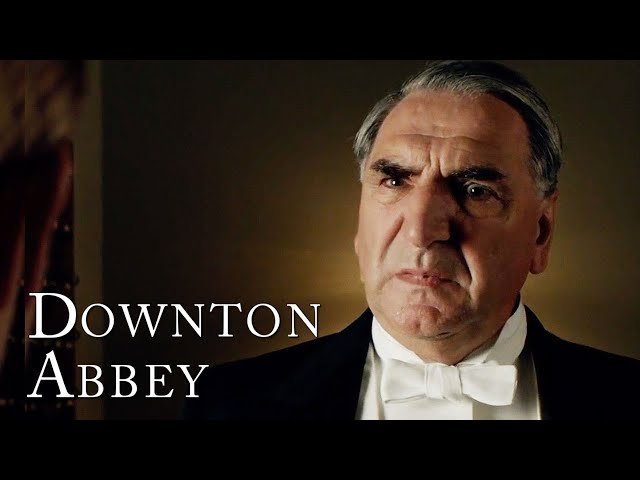
Downton Abbey - ”Going on?!”
When an American valet casually asks Mr. Carson if anything’s going on between Daisy and another fellow, Carson bristles and snaps, “Nothing is ‘going on’… nothing goes on in any house in which I am in authority!” For Carson, his entire identity is his role as butler and guardian of Downton’s moral order—personal feelings that might disrupt harmony or bring scandal simply cannot exist, because the reputation and traditions of the house (the sacred “us”) are everything.

3rd Person Perspective
The Expert & Achiever Stages
This is where most of the adult population resides (depending on the study). The 3rd PPP gave birth to abstract reasoning, the scientific method, and a sense of self not tied to the group’s norms. With this stage we can, for the first time, see the tragic consequences of racism, sexism, and bigotry. Collectively, we first grew into this stage during The Renaissance, it flowered during The Enlightenment, and eventually led to The Industrial Revolution.
-
![]()
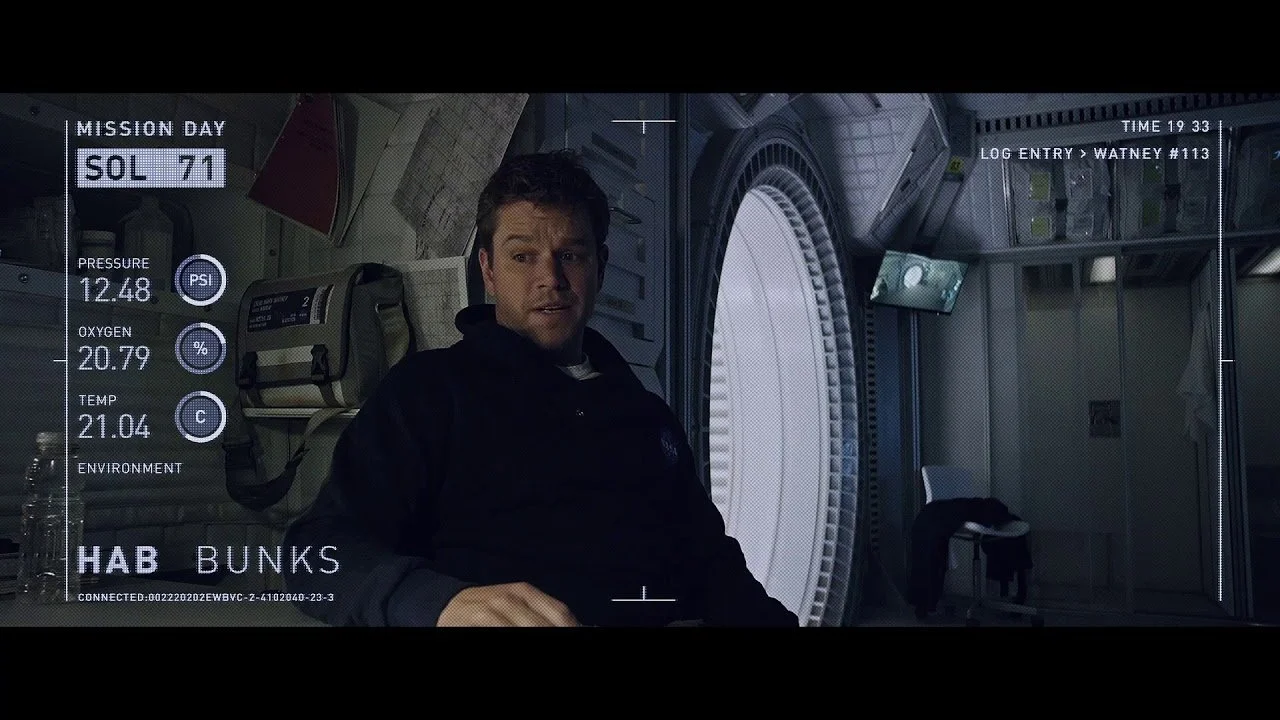
The Martian - ”I’m going to have to science the shit out of this.”
Mark Watney literally “science[s] the sh*t out of” every problem. No group harmony, no tradition—just him, his expertise, and self-authored goals against an indifferent universe. He also models some of the most positive qualities of 3rd PP — the heart of human ingenuity and the spirit of discovery.
-
![]()
Star Trek - "Order a man to hand his child over to the State? Not while I’m his Captain."
Data is a solid example of 3rd PP rationality and reason. The Commander (2nd PP) is ordering Data to turn over his child to the state, and Data makes an impassioned speech (early 3rd PP) for his duty to follow rules of good parenting and his responsibility for having created this child. Captain Picard answers from a 4th-PP stating “There are times when men of good conscience cannot blindly follow orders. You (referring to the Commander) acknowledge their sentience, but you ignore their personal liberties.”
-
![]()
Devil Wears Prada - Cerulean blue sweater.
Miranda Priestly, the consummate 3.5 Achiever, delivers an icy masterclass in systemic thinking when naïve assistant Andy mocks runway fashion. With surgical precision, Miranda traces a “lumpy blue sweater” back through the entire global industry—designers, trend forecasters, buyers, retailers—revealing how Andy’s “individual choice” was shaped years earlier in a boardroom she’ll never enter. It’s peak third-person perspective: poised, strategic, aware of invisible systems and power structures, and quietly contemptuous of anyone who still believes they’re outside the game.
-
![]()
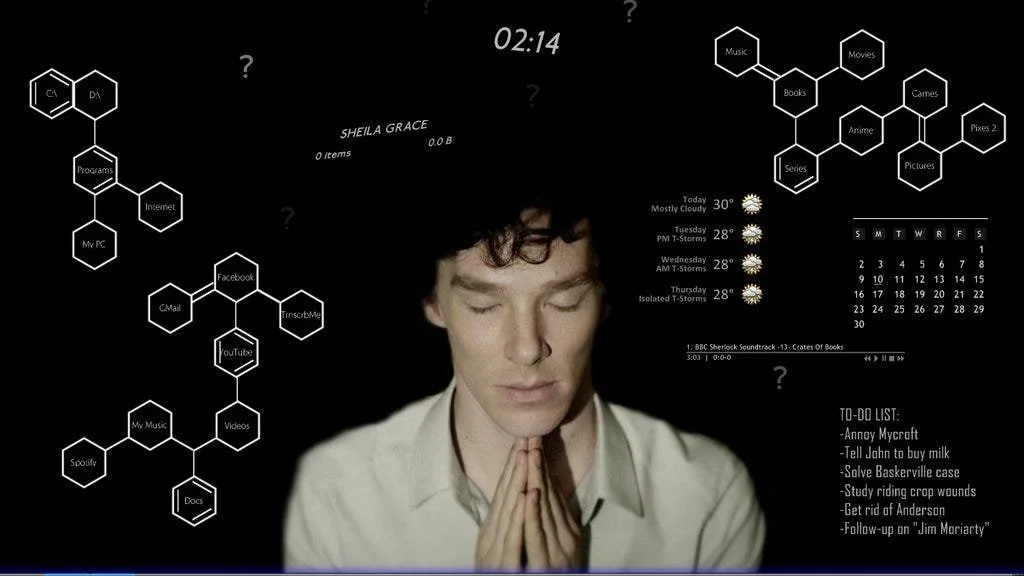
Sherlock Holmes - Mind palace scene.
Sherlock Holmes is the archetype of the 3rd PP: his entire identity is built around his self-authored system of deductive reasoning, empirical evidence, and intellectual mastery—“the science of deduction.” Emotions, social norms, and group approval are treated as irrelevant noise or data points to be analyzed, not values to live by; he’ll insult royalty or ignore basic politeness if it serves the rational solution. At his best, this makes him a brilliant, independent problem-solver who sees patterns no one else can; at his shadow, it leaves him isolated, manipulative, and occasionally cruel—classic 3rd PP trade-offs where relationships and feelings are sacrificed on the altar of competence and truth.
-
![]()
Breaking Bad - ”I am the one who knocks.”
Walter White declares he is no longer in danger—he IS the danger. This monologue is 3rd PP Achiever at its most chilling: after seasons of meticulous planning, scientific precision, distribution networks, and risk calculations, Walt has finally built an empire governed by his own rational, self-authored rules. Yet the speech betrays the unintegrated 1st PP wound underneath — it’s not truly about protecting his family anymore; it’s the terrified, powerless inner toddler screaming, “No one will ever make me feel small again.” The same sophisticated 3rd-person tools that could have built a Nobel Prize or a legitimate business are instead weaponized to feed an egocentric need for absolute dominance — a perfect, tragic illustration of how later-stage competence, when still in service to earlier-stage pain, can become monstrous.
-
![]()
Billions - ”Become anti-fragile or die.”
In a tense meeting, Taylor exhibits the coldness of 3rd PP logic: long-term systemic improvement justifies short-term pain, personal empathy is irrelevant next to the “truth” of the model, and the highest moral act is forcing others to evolve—even if it destroys them in the process. Taylor isn’t being cruel for fun— they sincerely believe they’re offering tough-love evolution. Classic shadow of the rational, self-authored stage.
-
![]()
Imitation Game - Turing breaks Enigma
The Imitation Game's Enigma-cracking moment is one of cinema’s purest celebrations of healthy 3rd PP. Alan Turing steps completely outside the group’s despair and conventional assumptions, trusts his own rigorously self-authored reasoning, and in a flash of systemic insight (“Cilly” appears at the beginning of the message) redesigns the machine’s search parameters. What follows is the Achiever stage at its life-giving best: disciplined expertise, empirical iteration, and independent strategic thinking aligned toward a goal far larger than personal ego—shortening World War II and saving millions of lives. In seconds we see the exhilarating power of third-person cognition when it’s turned outward: clarity that cuts through chaos, competence that changes history, and rational mastery offered in service to humanity.
-
![]()
Soul - In the zone
This scene beautifully captures the transition from mature 3rd-person (Achiever) into early 4th-person awareness. Decades of disciplined, self-authored mastery—obsessive practice, internalized standards, and technical brilliance—build the rock-solid platform that finally allows Joe to let go completely. In the flow state itself, the striving ceases, the separate “doer” dissolves, and the music plays through him rather than by him—a taste of 4th-person interpenetrative experience. Joe is the music and the music is Joe. The 3rd-person gifts (competence, clarity, craft) are required to reach the doorway, but stepping through into effortless being-with-the-moment is the hallmark of the emerging 4th-person/Individualist stage.
-
![]()
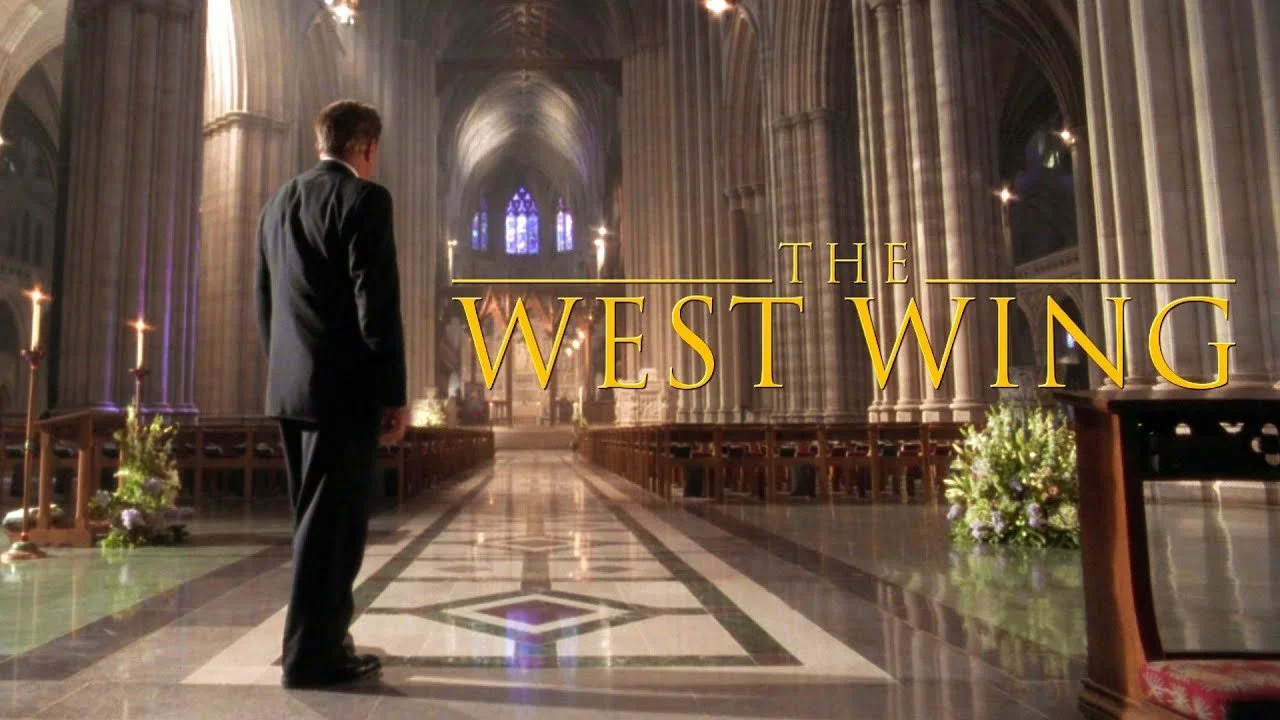
West Wing - Two Cathedrals rant at God
Jed Bartlet, the quintessential 3rd PP leader—encyclopedic intellect, iron-clad moral system, unshakable belief that rational effort and principled rules should produce good outcomes—finally confronts a universe that refuses to play by his rules. His fury at God (“You’re a son of a bitch, You know that?”) is not a surrender of his framework; it is the ultimate defence of it: a demand that reality conform to the rational, merit-based, just order he has spent his life authoring and enforcing. The Latin quotations and rhetorical structure show that even in rage he cannot turn off his 3rd-person mind—he is still judging God by the standards of logic, fairness, and accountability he holds everyone (including himself) to. The cigarette on the floor is not transcendence; it is defiance: the 3rd PP refusing to submit when the system he has played perfectly still ends in meaningless loss.
-
![]()
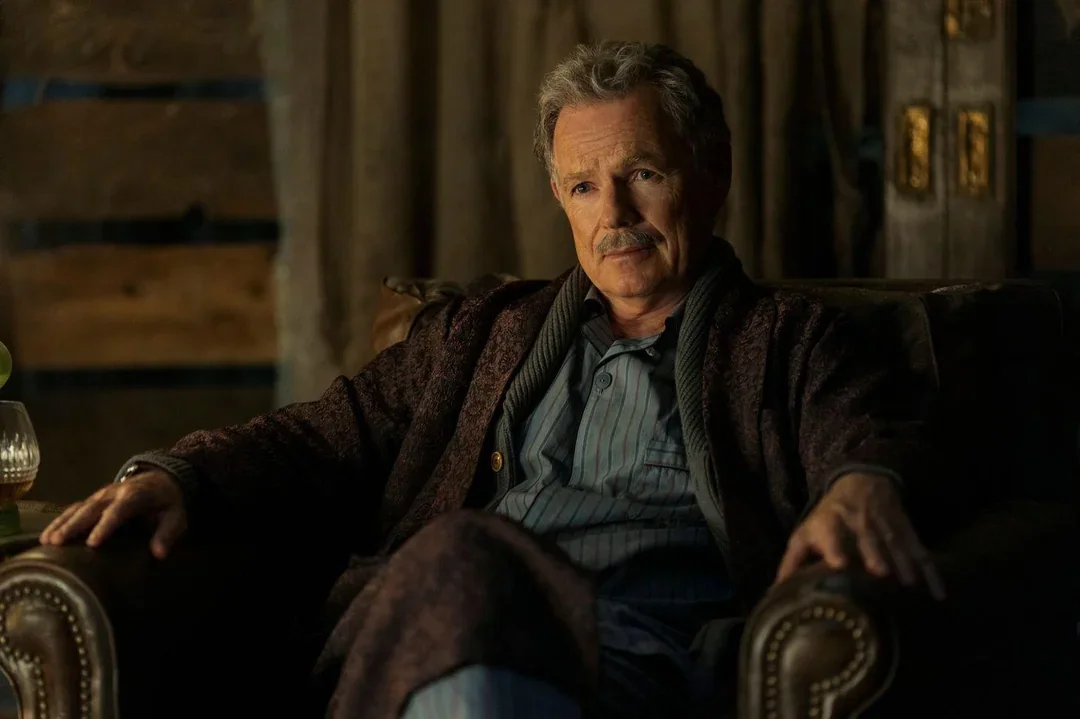
The Fall of the House of Usher - Lemons
This scene is a pitch-perfect example of 3.5 Achiever perspective: Roderick doesn’t just make lemonade—he strategically manipulates the entire system (supply chains, media blitzes, celebrity endorsements, patents, lobbyists, lawsuits) to create artificial scarcity and demand, turning lemons into a billion-dollar empire before finally squeezing the juice. His self-authored, rational, long-range plan treats the world as a game to be won through competence and control, with no regard for ethics or collective well-being—the classic Achiever shadow when achievement becomes an end in itself. It’s a chilling reminder that 3.5 mastery can build fortunes… or destroy lives, depending on what the inner compass points toward.






4th Person Perspective
The Pluralist & Strategist Stages
For the first time, a person can simultaneously hold multiple conflicting perspectives as partially true, feel the pain of marginalized voices in their own body, and critically examine the hidden biases baked into the rational, meritocratic systems created by the previous stage. It deconstructs grand narratives, champions relativistic truth, deep ecology, social justice, and emotional authenticity, but often falls into performative contradiction and hyper-sensitive paralysis (“cancel culture” being one of its shadows). Culturally, it exploded around 1968–1970 and dominated universities, NGOs, and parts of tech and media from roughly 2005–2020. It is the stage that finally sees the limits of pure rationality and begins to hunger for genuine integration.
-
![]()
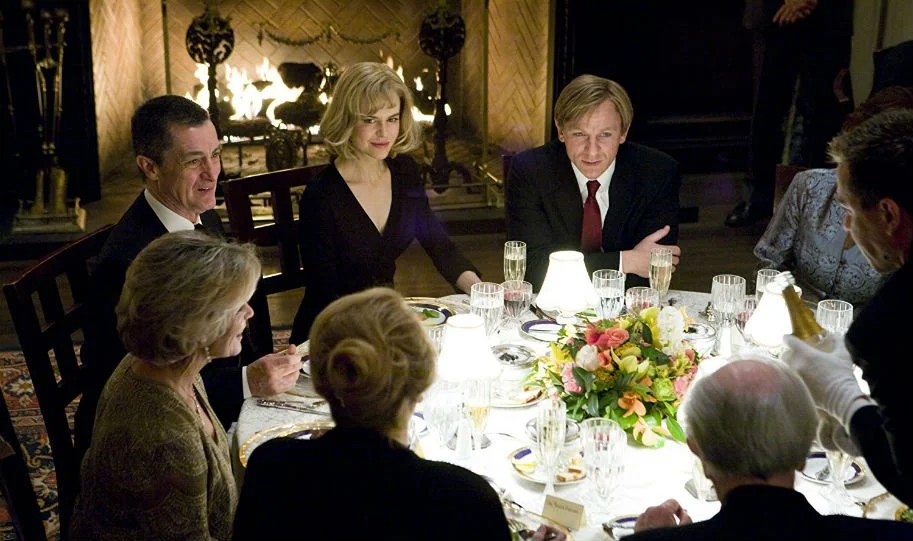
The Invasion - Dinner scene
In this exchange, the ambassador speaks from a 3rd PP, arguing that human beings are fundamentally animals, governed by instinct, and that civilization is merely a fragile illusion. His argument is linear, causal, and grounded in “objective” claims about human nature and geopolitics. Carol’s response reflects a 4th PP: she doesn’t counter his claim with another universal truth but instead reframes his statement as a projection — a subtle, psychological move that recognizes interiority, context, and subjectivity as valid sources of truth. She then situates human behavior developmentally, referencing Piaget, Kohlberg, Maslow, Graves, and Wilber — a classic 4th-PP gesture that sees consciousness as evolving, perspectives as plural, and history as a developmental arc. Where the ambassador insists on timeless biological determinism, Carol insists that humans grow, cultures develop, and meaning is co-constructed — demonstrating subtle reciprocity and contextual thinking.
-
![]()
The Matrix - "This… is the Construct."
Morpheus is operating from late 4th PP awareness: he sees the context behind the context behind the context — the Matrix is not just a prison but a subtle, constructed system (ideology, language, perception itself) that shapes what people take to be concrete reality. When he asks “What is real? … real is simply electrical signals interpreted by your brain,” he is explicitly makes the subtle process of meaning-making itself the object of awareness, dismantling Neo’s previous concrete-to-subtle worldview in real time. The revelation that Neo’s “residual self-image” is a mental projection, that the entire 20th-century world was a neural-interactive simulation, and that the “desert of the real” lies beyond it, is pure 4th-person deconstruction: Morpheus holds multiple nested realities simultaneously, sees how power operates through invisible subtle structures (code, belief, perception), and interpenetrates with Neo’s collapsing identity to facilitate his awakening.
-
![]()
Insta @nienkesgravemade commentary on Tucker Carlson
An early 4th PP commentary on conservative patriarchal values. Conservatism isn’t the problem in this exchange (it’s not inherently bad). The problem is the belief that women are not equal to men, something Tucker’s guest states explicitly at the end. (Yuck.)
Tucker also can’t wrap his head around the idea gender roles are a construct, and that’s not because he’s stupid, but because he’s not yet acquired at least a 4th PP. To him, anyone who does see it this way is an idiot. He also “fervently” believes in patriarchy “because it’s just reality”. And again, it’s important not to dismiss this as stupidity, but to recognize it’s a lack of perspectival complexity. To Tucker, the 4th PP on the world does seem absolutely bonkers and insane. It’s what the Conservative (and sometimes Liberal) commentators will call the “woke mind virus”. Can being “woke” be taken too far? Absolutely. Any point of view can. But we will never find our way forward as a collective until we GENUINELY understand where a person’s perspective is coming from. To continue to dismiss one another as stupid or insane simply digs ourselves a deeper hole we will eventually have to climb out of. -
![]()
Everything Everywhere All At Once - Evelyn sees Waymond
Waymond is our 4th PP ethical center of the film. (The film as a whole spans several developmental stages.) His perspective is relational, emotionally attuned, non-hierarchical, and context sensitive - all signs of 4th PP maturity. “Fighting with kindness” is the 4th PP rule set: protect dignity, de-escalate conflict, lead through vulnerability.
-
![]()
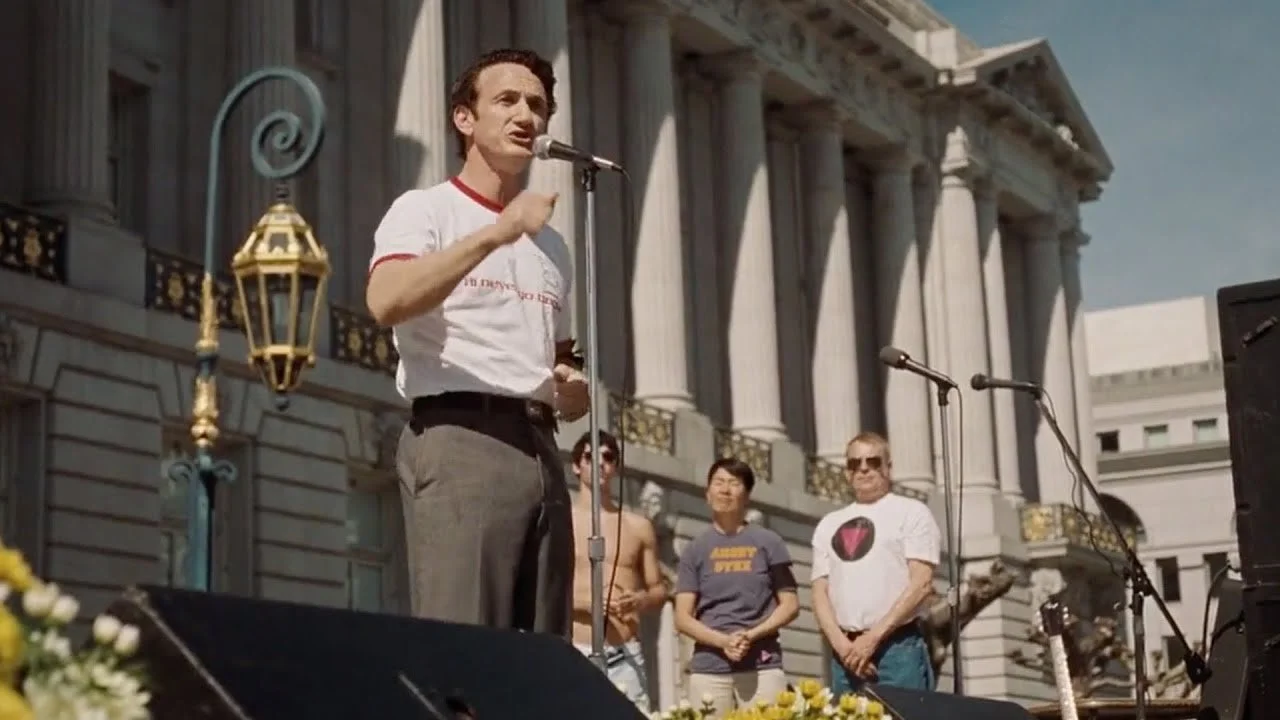
Milk - Gay pride rally speech
Harvey Milk, a political leader stands before a marginalized group and says: your liberation does not come from better arguments within the existing system (3rd PP), but from dismantling the closet that the system depends on. Milk understands identity as socially constructed and performative, feels the visceral pain of every gay kid in hopelessness, and weaponizes radical vulnerability as a systemic intervention: every coming-out ripples outward, making bigotry psychologically unsustainable for the oppressor. He holds multiple truths at once—anger at the system, love for the oppressors who are also trapped, and the knowledge that visibility itself is the revolution.
-
![]()
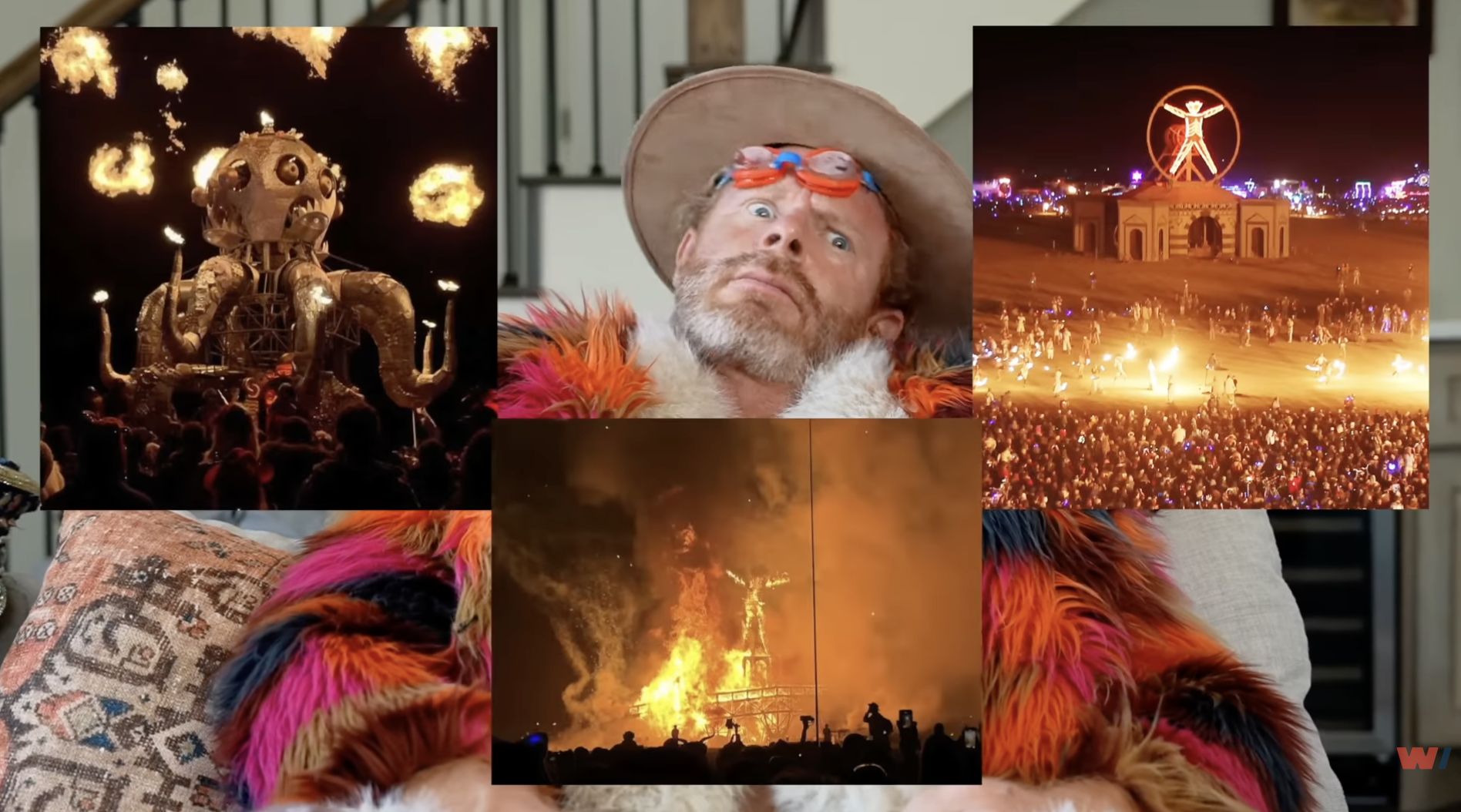
When your friend gets back from Burning Man
Like all stages, 4th PP has its shadows and blind spots. This parody of what it’s like listening to a friend who just returned from Burning Man (a 4th PP annual festival in the desert) is a delightful jab at where this perspective can become absurd in its “wokeness”. He makes fun of the anti-capitalist rhetoric while being completely embedded in extreme privilege; wonders who had the bigger ego death experience; relativism + rejection of hierarchies is taken to absurd extremes (“What makes a drug a medicine? I bless it before I snort it.”); performative care and community, but with zero actual responsibility (Leave No Trace… except maybe the dead guy I thought I brought back with me).
-
![]()
This is Us - "You’re racist, mom."
In this confrontation, Rebecca operates from a clear 4th Person Perspective. She has become acutely aware of the subtle ways her mother’s words and attitudes marginalize Randall because he is black, and she now experiences those micro-aggressions as direct emotional harm to her child (and therefore to herself). What makes this a 4th PP expression is she is not reasoning abstractly about fairness (3rd-PP), but a felt, bodily sense that staying silent makes her complicit in racism. She names specific behaviors (“the twins and Randall,” the way mom treated their maid, the church switch) as part of a larger pattern of racial blindness, and she chooses to protect Randall’s dignity even at the cost of rupturing the relationship with her mother. The intensity of the emotion, the refusal to smooth things over for the sake of family harmony, and the direct accusation (“You’re racist, Mom”) are all signature markers of the Pluralistic stage in full activation.
-
![]()
When Wokes and Racists Actually Agree on Everything
This is a devastating mirror held up to the deep shadow of Pluralist (early 4th PP). By having an avowed racist and a performative woke activist excitedly high-five over the same core beliefs the sketch reveals that late-Pluralist anti-racism and old-school racism are not opposites; they are inverted twins sharing the exact same racial-essentialist operating system, differing only in which group gets cast as villain or victim.
For example, the Pluralist rhetoric says: “Cultural appropriation is violence, stay in your lane.” Shadow consequence: re-erecting hard racial boundaries under the banner of respect. The woke character and the racist character literally high-five over the idea that cultures should remain pure and separate. Same conclusion, opposite moral valence.
Or, equity as the new segregation. Both characters agree that jobs, spaces, and outcomes should be allocated by racial quota rather than individual merit or universal standards. One calls it “diversity hires to fight white supremacy,” the other calls it “keeping them from taking our jobs.” Same policy, different story. This is the Pluralist shadow where “equity” quietly rehabilitates racial determinism. -
![]()
Hozier - Take me to Church
The video deliberately places human love (specifically queer love) and institutional religious violence side by side. There is no moralizing voice-over, no plea for tolerance, no triumphant rescue. Instead, the camera simply witnesses: tenderness → violation → aftermath. This refusal to explain or resolve is a mature expression of 4th PP energy: the artist invites the viewer to feel the paradox and draw their own conclusions.
The song’s lyrics perform the same move: sexuality is framed as the only honest worship left in a world where organized religion has become a “shrine of your lies.” The singer owns his “sin” with defiant pride rather than shame or rebellion-for-its-own-sake. He is neither victim nor preacher; he is a self-authored person reclaiming the sacred on his own terms, aware that his gospel will be called blasphemy by the old order.
No ego dissolution occurs (that would be 5th-person). The “I” remains intact and fiercely articulate. What we see instead is the 4th-person pivot: the old collective story (born sick, command me to be well) is consciously rejected, and a new personal mythology is offered in its place. Love and sexuality become the new church, not as utopian escape, but as a deliberate, reflective choice made in full awareness of the cost.
-
![]()
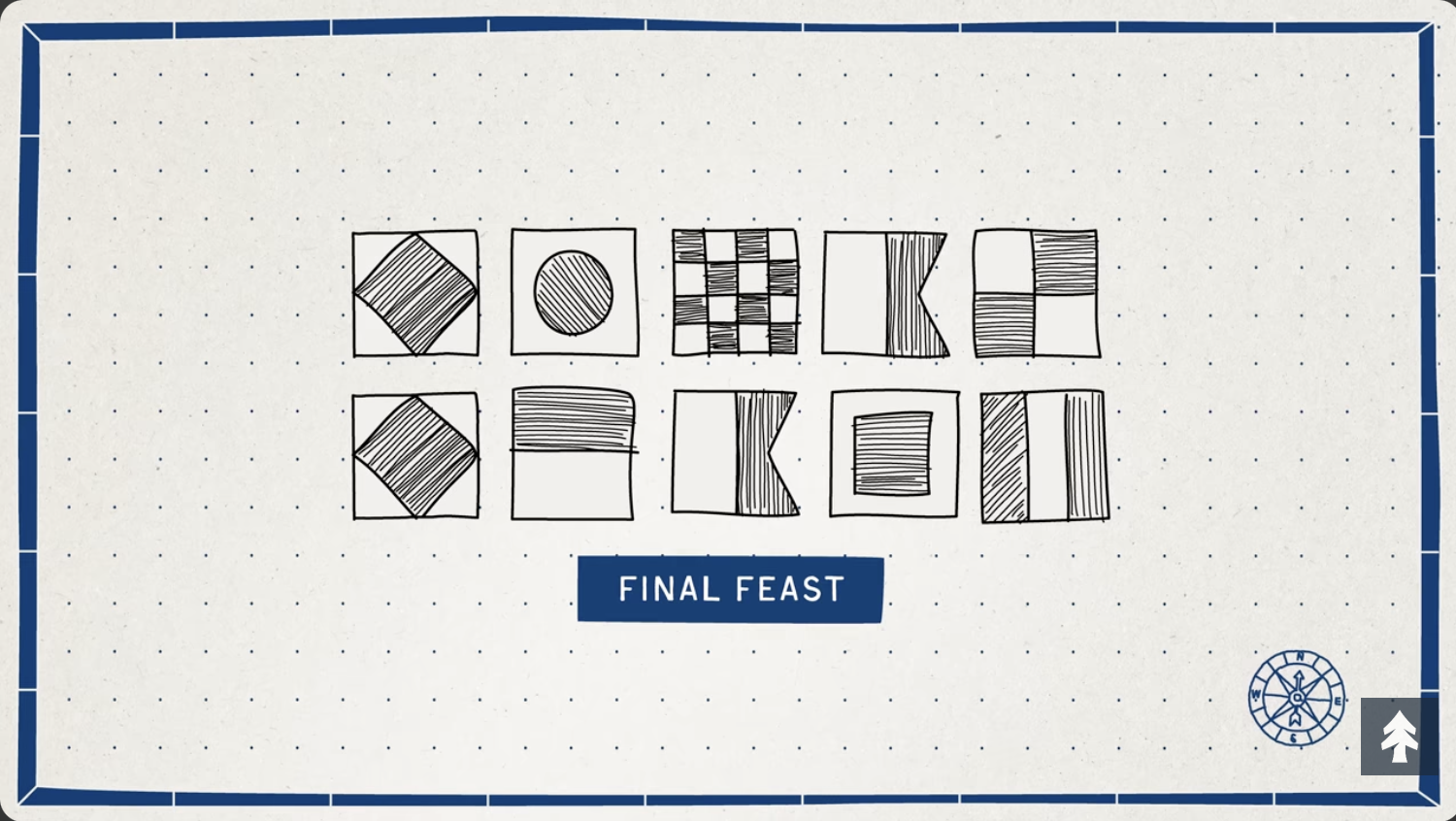
DIRT: Is Maine the Culinary Capital of New England Food?
There are no judges, no clocks, no plating for the camera (that would be 3rd PP); only a quiet, sprawling meal born from days spent with oyster farmers, boat builders, foragers, and chefs. The food is described as “nothing fancy, just enough,” yet it is radiant because it is Christian’s unforced self-expression: his Maine, spoken through bright, clean dishes that needed no permission to exist. The feast is not a performance; it is a transparent extension of one man’s lived relationship to place.
And then the gentle ache: “There’s always a certain sadness in leaving a place like this, like stepping out of another world and back into the real one.” No one pretends the moment is permanent. Connection is deep, real, and knowingly temporary. New friends gather, share, taste, laugh, and will soon scatter. The beauty is honored, the impermanence is felt, and nothing is clung to or denied. This is the 4th-person heart: fully present, fully aware that presence dissolves, and willing to carry both the joy and the quiet pang without collapsing either.
-
![]()
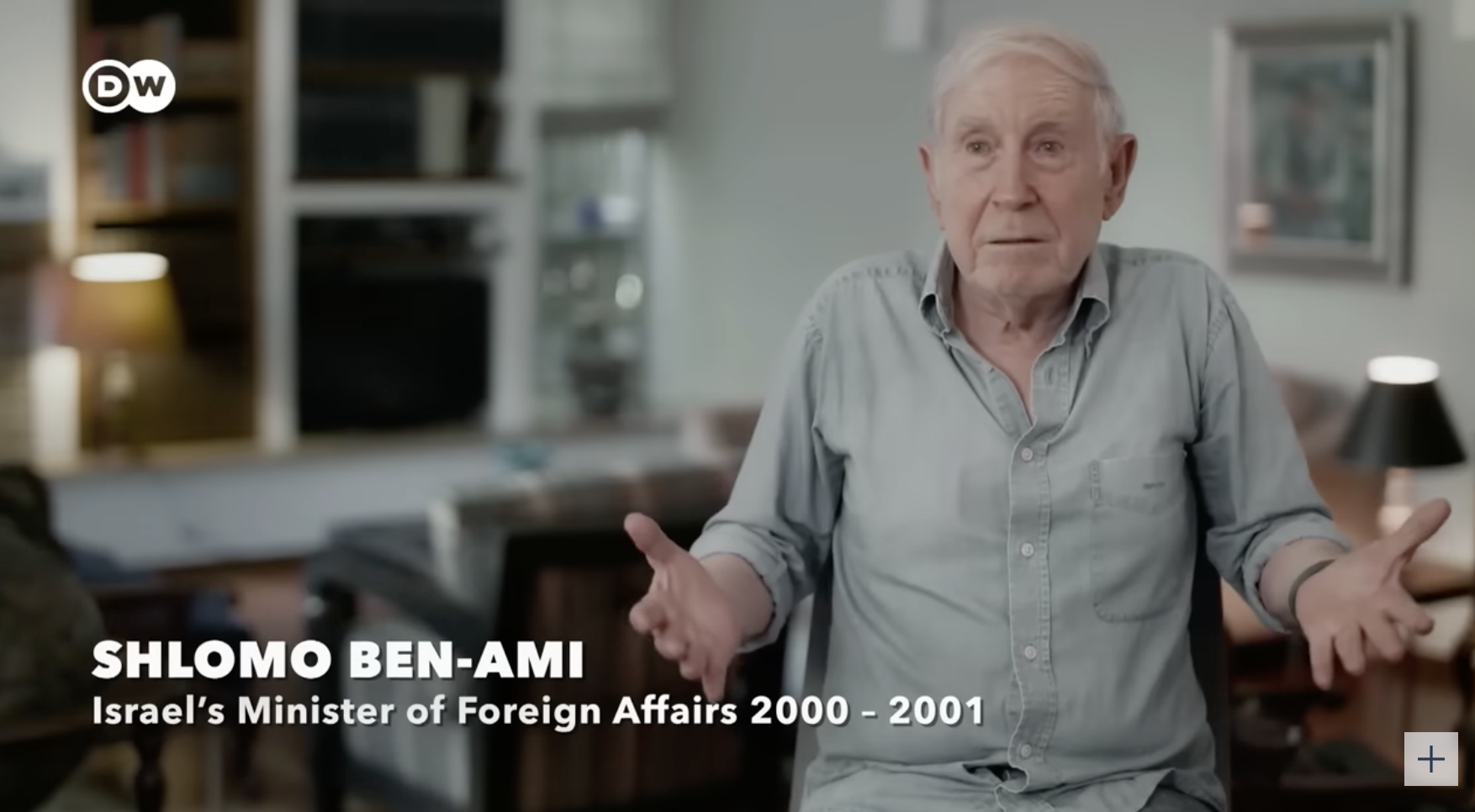
DW - Is lasting peace really possible?
DW is a German public broadcast service. This video is a documentary exploring how countries at war can come together and find peace.
Former Israeli Foreign Minister Shlomo Ben-Ami delivers a clear political expression of late 4th PP. Speaking as an insider who once negotiated at the highest levels, he refuses the tribal story that would protect Israel’s self-image. Instead, he calmly names the paradox: “We are in the middle of the longest war in Israel’s history… one of the most major tragedies for Palestinians and Israelis. And yet there is no political vision. Nothing. Zero.” There is no spin, no scapegoating, no softening—only unflinching ownership of a shared human catastrophe.He then articulates the core insight of late 4th-person systems awareness: Israel and Palestine are “connected vessels.” Israeli security and Palestinian dignity are not separate issues; one cannot prosper while the other bleeds. This is no longer loyalty to tribe, flag, or ideology—his center of gravity has shifted to the larger relational field. Grief and exhaustion are present in his voice, yet fully metabolized; the separate self still feels deeply, but it is no longer fused with the in-group narrative.
He models the developmental task itself: grow past the old zero-sum story, feel the ache of that growth, and speak from the interconnected reality—even when almost no one on either side is ready to hear it. This is late 4th-person courage: reflective, self-authored, paradoxically hopeful, and unflinchingly honest.






5th Person Perspective
The Construct-Aware & Transpersonal Stages
This is the first stage capable of holding all earlier voices (impulsive, traditional, rational, and pluralistic) inside a single living system without collapsing into any of them. For the first time, a person can honor the raw life-force of 1st, the sacred meaning-making of 2nd, the scientific achievements and universal rights of 3rd, and the deep empathy and oppression-sensitivity of 4th as developmentally necessary and inevitably partial. It feels the grief and gifts of every previous stage without needing to fix, convert, or cancel any of them. Individually, it appears as calm, paradoxical thinking and the ability to act from what the whole situation actually requires. Collectively, it remains extremely rare (less than 1%), but its quiet signatures are emerging in regenerative systems, post-partisan dialogue, trauma-informed governance, and organizations that integrate profit, people, and planet as one organism. Historically, it has never yet led a civilization; we are living inside its fragile first dawn.
-
![]()
Midnight Gospel - "It sucks having a body."
This Midnight Gospel sequence is 5th Person Perspective in its purest, most playful form: it looks straight at the raw pain of embodied existence (“it sucks to have a body”), sees every addiction, achievement, and identity quest as frantic attempts to avoid that pain, and then watches the avatar die horribly, over and over, with affectionate amusement instead of horror or rescue fantasies. There is no attempt to fix the suffering, no condemnation of the game, and no romanticizing of enlightenment—just the quiet, hilarious recognition that the whole bloody carnival continues exactly until the player notices there was never anyone inside the costume to begin with.
-
![]()
American Symphony - Take the pain away
In this tender hospital hallway dance, Jon Batiste and his wife Suleika move slowly and playfully together around her IV stand. He says, “I feel a strong desire to take the pain away… but I can’t. This is a moment. A test. Nobody’s fault, nobody can control it.”
This is a living snapshot of 5th-person perspective: the ego’s heroic impulse to fix or control is consciously felt, named, and gently released. Instead of blame, denial, or forced optimism, Batiste holds paradox without collapsing—pain and play, powerlessness and presence, grief and gratitude coexist in the same breath and step. The dance becomes an embodied acceptance of life’s uncontrollable flow, where love meets reality exactly as it is, transforming suffering into shared, sacred improvisation.
-
![]()
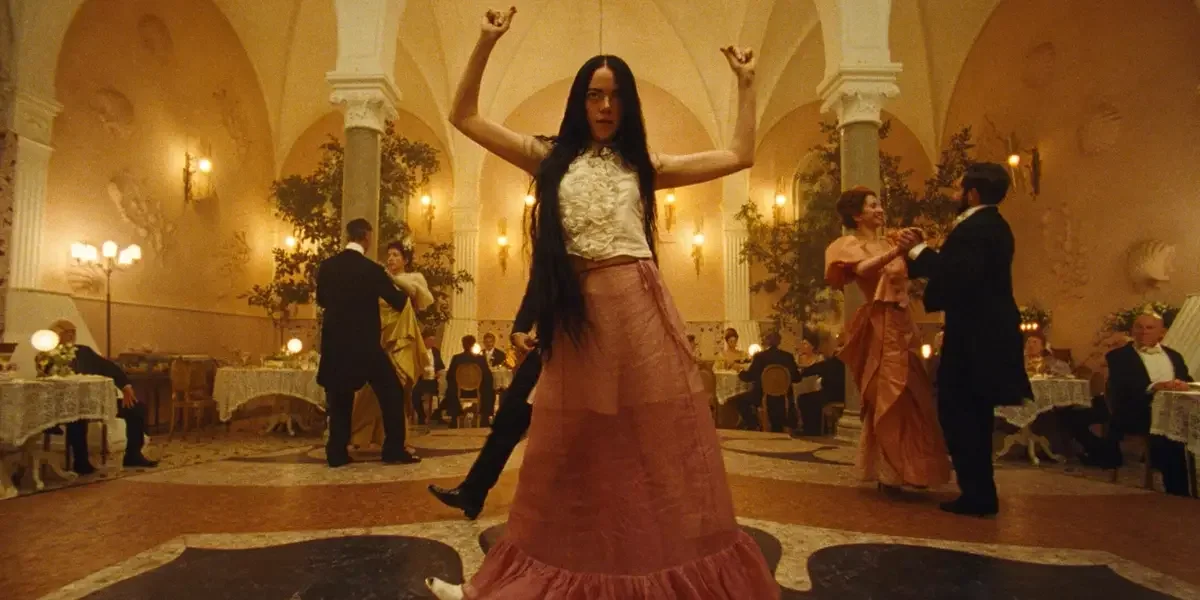
Poor Things - Dance scene
Bella moves to deliberately ugly music with zero regard for social form. The scene begins with her statement “Your sad face makes me discover angry feelings for you.” The anger is named with the same neutral curiosity she applies to nearly everything in the movie—no blame, no heat, no repair attempt.
Duncan, for one shining moment, catches his own grasping pattern (“I’ve become the very thing I hate”) and names it without defense. The insight lands and evaporates just as fast.
5th PP isn't only about depth, love, death, and life. It can also be absurd, turning everything on its head, mixing and matching multiple perspectives together - the whole movie is a smorgasbord of 1st - 5th PP
Bella’s display of emotion is unregulated yet non-reactive, self-and-other are witnessed simultaneously, and norms dissolve into pure phenomenological play. The grotesque music and flailing limbs simply make the freedom unmistakable.
-
![]()
The Fountain - Ending scene
The Fountain (Darren Aronofsky, 2006) is a sustained 5th-person perspective transmission: three nested timelines (conquistador, modern neurosurgeon, cosmic pilgrim) are revealed to be the same story, told from a consciousness that no longer privileges linear time, separate selfhood, or life over death. Hugh Jackman’s character moves from fighting mortality to surrendering into it, discovering that death is not the opposite of life but its creative force (“Death is the road to awe”). Past, present, and future dissolve into one golden continuum; love completes itself beyond duality. The film doesn’t teach acceptance; it embodies it, inviting the viewer into the same spacious, paradoxical wholeness.
-
![]()
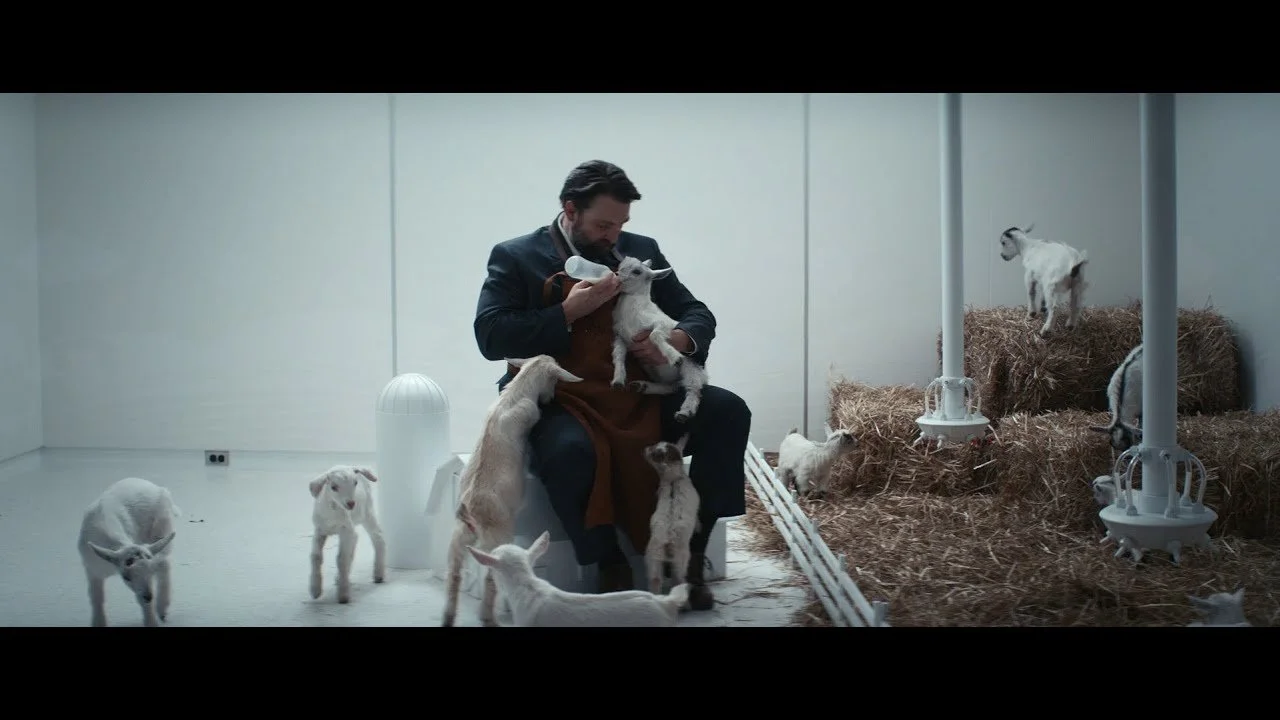
Severance - Baby goats
Severance keeps one foot firmly in 4th-PP pain and outrage, but its deepest gaze is 5th-PP: it refuses to let the audience settle into a comfortable villain/victim story, shows every character and every worldview as simultaneously broken and necessary, and treats the severed floor’s eerie order, the activists’ performative rebellion, the innies’ trauma, and the outies’ avoidance as different developmental responses to the same human predicament. By never giving us a “correct” side to cheer for and by quietly honoring the partial truth in Lumon’s refinement, the grief-workers’ tenderness, and even the company’s mythical founder, the show embodies the 5th-PP capacity to hold paradox without collapsing it, pointing toward integration instead of triumph.
-
![]()
The Leftovers - Homeward Bound
Kevin Garvey, trapped in the afterlife, is told the way out is absurdly simple: just sing a karaoke song. His first reaction is pure egoic resistance—“It’s stupid” and his guide calls him out on it, “Ah, the trial, it's beneath you. It's not elegant enough. Too easy.” The ego wants a dignified trial, a heroic struggle, something that matches its self-image.
When he finally steps up and sings Simon & Garfunkel’s Homeward Bound, something quietly shatters. Halfway through, the polished persona cracks—he sniffles, voice breaks, and the longing is no longer performed; it’s simply felt. The song becomes the surrender itself. No grand epiphany, no special effects, just a man admitting (out loud, in public) that he wants to go home.
This is 5th-person consciousness in action: the task is seen as simultaneously ridiculous and sacred; the separate self is witnessed, felt, and released in the same breath. Ego doesn’t triumph and doesn’t get crushed—it dissolves into raw, ordinary being, and that’s enough to open the door.
-
![]()
The OA - Season 1 Final Dance
The 5 performers have wildly different histories, traumas, and motivations. In any earlier stage they would be competing, protecting, posturing, or collapsing. Instead, the moment the music starts, individual identity evaporates.
The entire season has withheld this dance they’ve been practicing - we see it here for the first time, symbolic of the long, LONG walk we all must take to arrive at 5th PP. When the Movements finally arrive, they are not explained; they are simply done. That is how 5th-person awareness lands: not as a concept, but as a sudden, wordless recognition that was always already available. (Like remembering something you’ve forgotten.) The school shooter is disarmed by something that has no name in ordinary language.
Most audiences react in one of two ways:1) Ridicule and eye-rolling (“interpretive dance saves the day?!”) → classic earlier-stage defense against ego dissolution
2) stunned, tearful silence → the body recognizing what the mind cannot yet articulate.
-
![]()
Sofia Isella - The Doll People
The song begins under the male gaze: women as silent, consumable dolls (3rd PP objectification) (“statues with a pulse… art you can fuck”), slotted into archetypes (“wife, whore, mistress, maid, mother”) and prized most when resisting. Lyrics report the violence with clinical detachment—no pleas, no fury—just the phenomenology of being reduced, desired, and discarded.
The pivot hits when the fantasy implodes: paint cracks, the gaze peers closer and finds maggots (decay from the very violations it inflicted). The constructed doll-self was always projection, now rotting from within.
The ending twists into eerie dissolution: “The doll people are gone,” vanished without trace. The dolls flee laughing together, “swimming in the milk of the moon”—a manic, lunar reverie that feels less like triumphant freedom and more like shattered psyches coping with horror. Is it transcendence or trauma-induced madness? The refrain echoes (“wife, whore…”), suggesting the roles linger like ghosts, pulling any escape back into unsettled ambiguity.
Over a carnival-waltz gone wrong, the track holds the paradox without resolution: ego constructs (oppressor and oppressed) crumble, but what emerges isn't pure joy—it's a boundary-less haze where laughter masks the scream. Pure Construct-Aware shadow work in verse form.